Anti-Inflammatory Diet
What researchers mean by anti-inflammatory foods, and how to build meals around them.
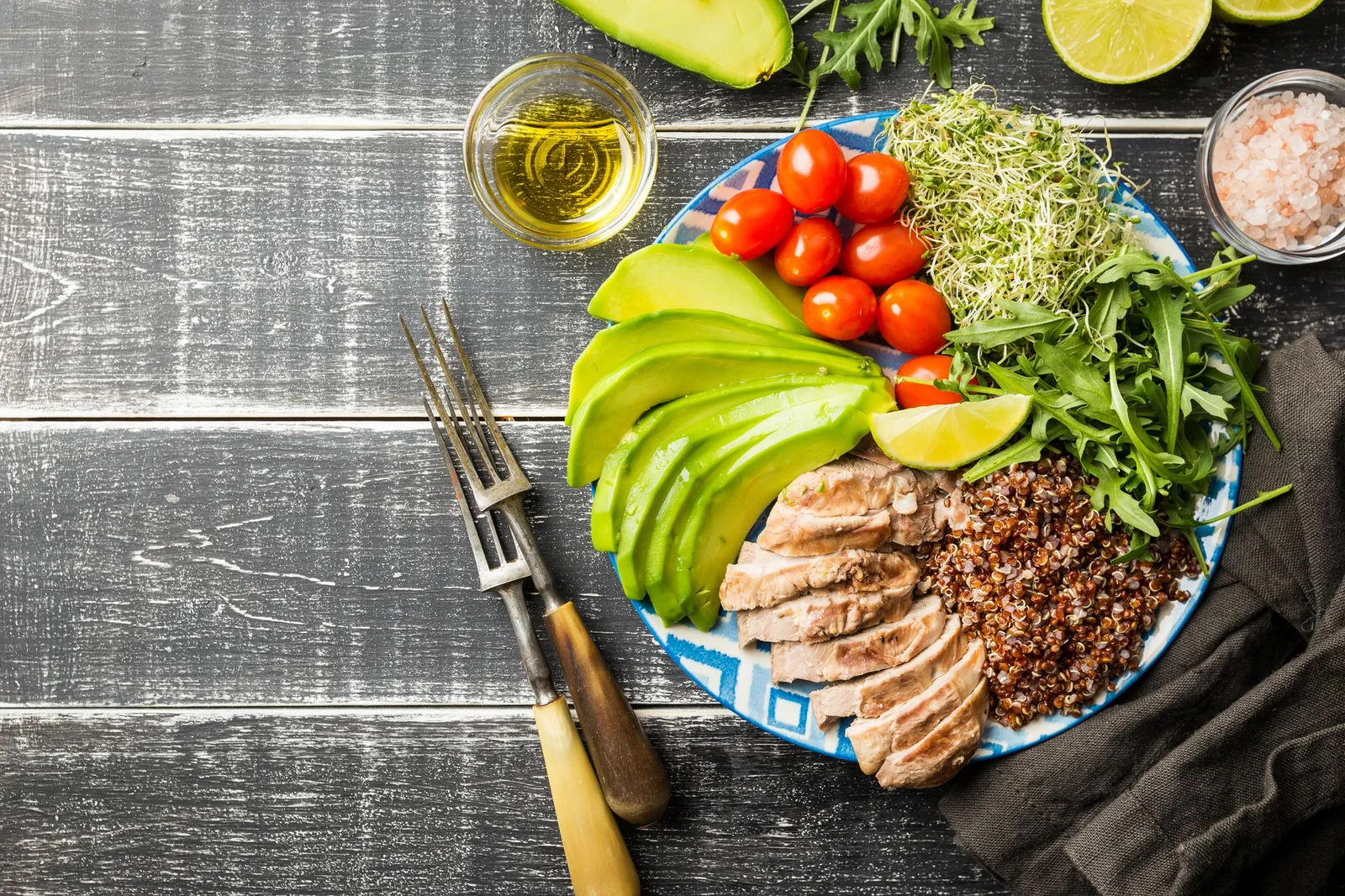
What are anti-inflammatory foods?
Researchers have identified a number of foods and eating patterns that are linked to lower levels of inflammation in the body. Some foods appear to make inflammation worse, for example heavily processed and sugary foods. Whole, fresh foods and oily fish, on the other hand, are associated with lower levels of inflammatory proteins in the blood.
An anti-inflammatory diet is not a strict programme with a fixed menu. It is a way of eating that puts vegetables, fruit, whole grains, legumes, nuts, olive oil and fish at the centre of the plate, and keeps processed foods to a minimum. It overlaps almost completely with the Mediterranean diet and with the general advice on healthy eating from bodies such as the WHO.
What the evidence says
The strongest evidence comes from studies of the Mediterranean diet. In the large Spanish PREDIMED trial, people at high cardiovascular risk who followed a Mediterranean diet supplemented with extra virgin olive oil or nuts had fewer heart attacks and strokes than those advised to follow a low-fat diet. Other studies link diets rich in fibre, fruit and vegetables to lower levels of inflammation markers such as CRP.
For inflammatory conditions such as rheumatoid arthritis, the evidence is more modest. Diet does not replace medical treatment, but many people find that a balanced diet helps their general wellbeing, and it lowers the extra heart risk that comes with chronic inflammation.
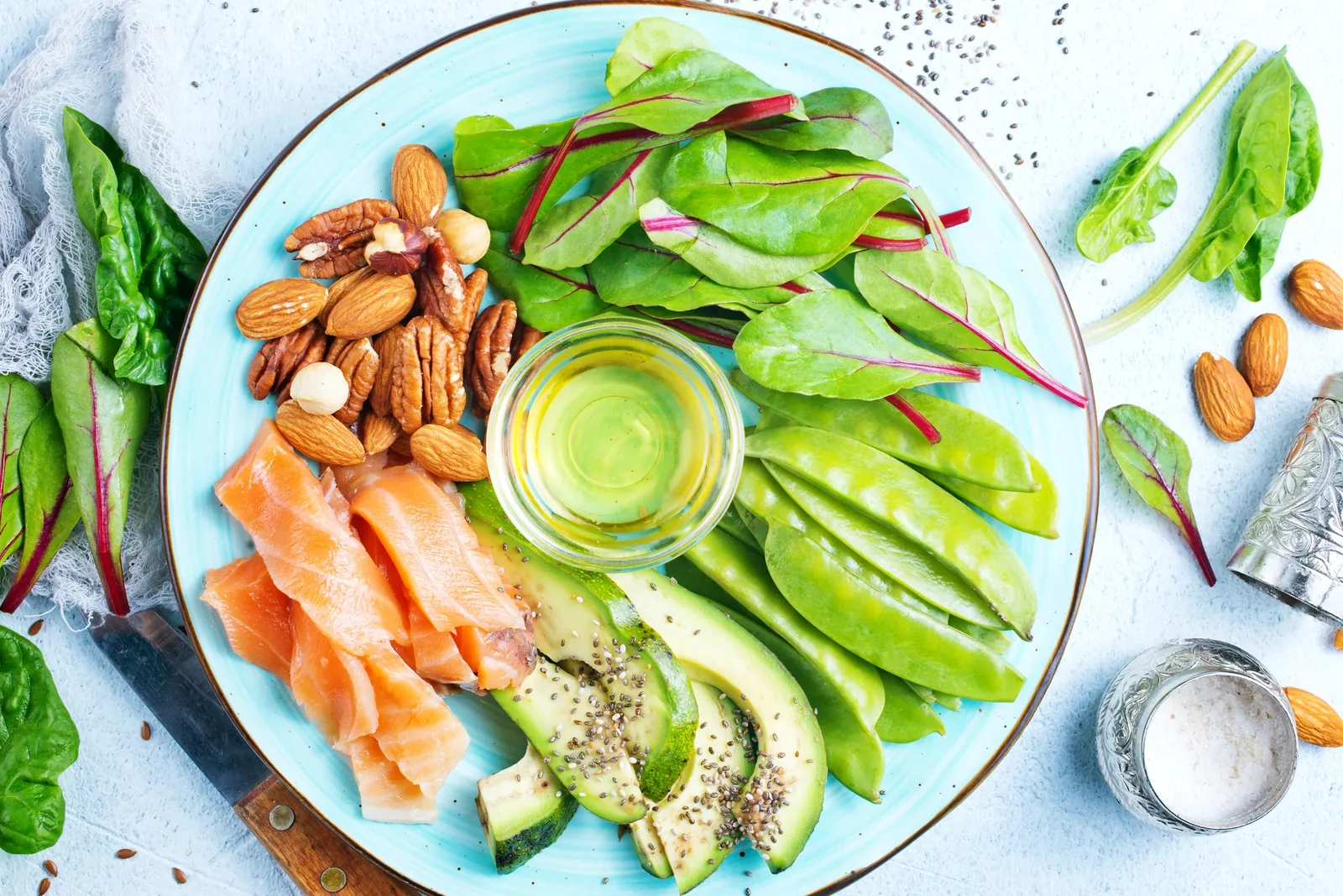
Foods to eat more of
- Oily fish such as salmon, mackerel, herring and sardines, ideally twice a week
- Vegetables and leafy greens, in as many colours as possible
- Berries and other fruit
- Whole grains such as oats, barley, brown rice and wholemeal bread
- Legumes: beans, lentils and chickpeas
- Nuts and seeds, a small handful a day
- Extra virgin olive oil and rapeseed oil instead of butter
Foods to limit
Some foods, like refined carbohydrates and sugary drinks, have been associated with a higher risk of chronic inflammation and disease. Try to limit:
- processed meats such as sausages, bacon and salami
- sugary drinks and sweets
- white bread and other refined grains
- fried foods and products with trans fats
- alcohol
Making it work in daily life
The best diet is one you can keep up. A practical approach is to fill half the plate with vegetables, a quarter with whole grains or potatoes and a quarter with fish, legumes, poultry or eggs. Read more about specific foods in anti-inflammatory foods to support heart health.
If you have a condition such as arthritis, metabolic syndrome or inflammatory bowel disease, or take medication, talk to your doctor or a registered dietitian before making big changes. They can help you adapt the advice to your situation.
This article is general information and not medical advice. If you have symptoms or questions about your own health, talk to a doctor. In an emergency, call your local emergency number.