Symptoms of heart valve disease
Heart valve disease happens when one of the heart's four valves does not work properly. Learn the causes, the symptoms and when to see your doctor.
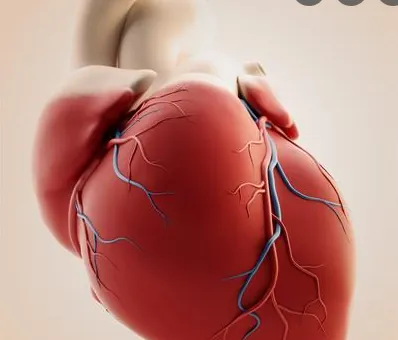
Valvular or heart valve disease occurs when one or more of the valves in your heart does not work properly. The heart has four valves: the aortic, mitral, tricuspid and pulmonary valves. Their job is to keep blood flowing in the right direction through the heart. When one of them does not open or close properly, it disrupts the flow of blood and makes the heart work harder.
Two main types of problems
- Stenosis: the valve becomes stiff or thickened and does not open fully, so the heart has to push harder to get blood through. Aortic stenosis is the most common example, especially in older people.
- Regurgitation: the valve does not close completely and leaks, so some blood flows backwards.
Symptoms of heart valve disease
Some people have valve disease for years without noticing any symptoms. A doctor may first discover it by hearing a heart murmur, a whooshing sound, through the stethoscope. When symptoms do appear, they can include:
- shortness of breath, especially on exertion or when lying flat
- tiredness and reduced ability to exercise
- chest pain or tightness
- dizziness or fainting
- swelling of the ankles, feet or abdomen
- palpitations or an irregular heartbeat
If you have these symptoms, see your doctor. If you have a murmur, your doctor may refer you to a heart specialist for an ultrasound of the heart (echocardiogram), which shows how the valves are working.
Causes
Some people are born with a valve problem, known as congenital heart valve disease. In adults, valve disease is often linked to age-related wear and calcium build-up, high blood pressure, previous heart attacks or infections such as endocarditis or, in earlier generations, rheumatic fever. Risk factors such as diabetes and high cholesterol also play a part, which is why our article on cholesterol is relevant here too.
Complications
If a significant valve problem is left untreated, it can lead to heart failure, heart rhythm problems, blood clots and stroke. Severe aortic stenosis that causes symptoms such as fainting, chest pain or breathlessness is serious and needs prompt assessment.
Treatment
Mild valve disease often only needs regular check-ups. Medicines can ease symptoms and reduce the strain on the heart. When the problem is more severe, the valve can be repaired or replaced, either through open-heart surgery or, for many patients, through a catheter procedure where a new valve is guided into place through a blood vessel. The results of modern valve treatment are generally good, and your heart team will explain which option suits you.
This article is general information and not medical advice. If you have symptoms or questions about your own health, talk to a doctor. In an emergency, call your local emergency number.