Top Anti-Inflammatory Foods to Support Heart Health
The foods we eat every day can either increase or reduce inflammation. Here are the anti-inflammatory foods most linked to a healthy heart, and what to limit.
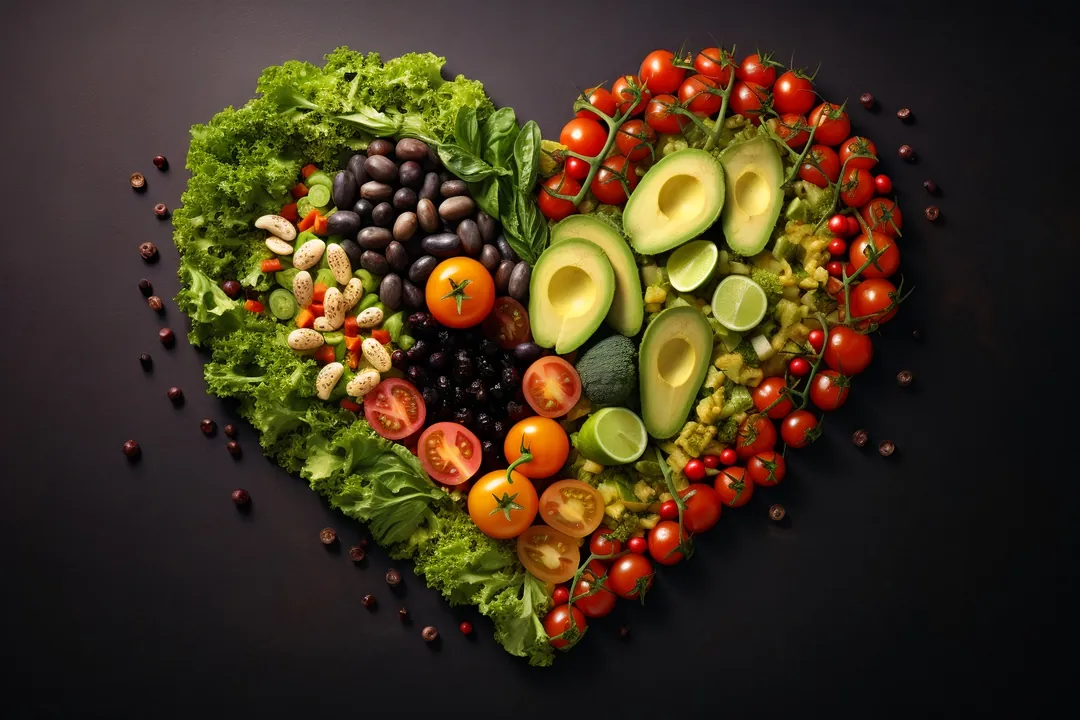
Chronic inflammation is a key contributor to cardiovascular disease, yet many people are unaware that the foods they eat every day can either increase or decrease inflammation in the body. Nutrition is one of the most powerful everyday tools for supporting the heart. In this post, we walk you through the anti-inflammatory foods that are most often linked to lower cardiovascular risk.
Why inflammation matters for your heart
Inflammation is the body's response to injury or infection, but when it becomes chronic it contributes to the build-up of plaque in the arteries, a process known as atherosclerosis. This build-up increases the risk of heart attacks and strokes. Diet plays an important role in influencing inflammation and protecting the cardiovascular system. Read more about the science in the research background.
Top heart-supporting anti-inflammatory foods
1. Fatty fish (salmon, mackerel, sardines)
Rich in omega-3 fatty acids, oily fish are linked to lower levels of inflammation markers such as CRP. Aim to eat fish at least twice a week, with at least one portion of oily fish.
2. Leafy greens (spinach, kale, Swiss chard)
Leafy greens are loaded with vitamins A, C and K as well as antioxidants that help counter oxidative stress. They also provide folate and nitrates that support healthy blood vessels.
3. Berries (blueberries, strawberries, blackberries)
Berries are high in polyphenols and anthocyanins. Diets rich in berries are associated with lower inflammation and better blood pressure and cholesterol levels.
4. Nuts (almonds, walnuts)
Nuts provide healthy fats, fibre and magnesium. A small handful a day is a heart-smart habit, as long as they are unsalted.
5. Extra virgin olive oil
Extra virgin olive oil is a staple of the Mediterranean diet. It contains oleocanthal, a compound that in laboratory studies has shown anti-inflammatory effects similar to those of ibuprofen. Use it instead of butter for cooking and dressings.
6. Turmeric
The active compound in turmeric, curcumin, has anti-inflammatory effects in laboratory studies, while results in humans are mixed. Using turmeric in soups, stews and curries is a pleasant way to add flavour. Be careful with high-dose supplements, which can interact with blood-thinning medicines.
7. Whole grains (oats, barley, brown rice, quinoa)
Unlike refined grains, whole grains are rich in fibre and nutrients that help regulate blood sugar and cholesterol.
Foods to limit
While you add anti-inflammatory foods to your plate, it is equally important to cut down on foods that promote inflammation:
- processed meats
- refined sugars and sweets
- trans fats and hydrogenated oils
- sugary drinks
- excess alcohol
Getting personal advice
Dietary needs differ. If you are managing heart disease, diabetes, an autoimmune condition or take regular medication, a doctor or registered dietitian can help you adapt the advice so that it works alongside your treatment. Our page on the anti-inflammatory diet gives a broader overview.
Take the first step
Adding anti-inflammatory foods to your daily diet is a sustainable way to take charge of your heart health. Start small, be consistent, and build on the changes that suit your lifestyle.
This article is general information and not medical advice. If you have symptoms or questions about your own health, talk to a doctor. In an emergency, call your local emergency number.