Atrial fibrillation: symptoms, risks and when to seek care
Atrial fibrillation is the most common heart rhythm disorder. Learn how it feels, why it raises the risk of stroke and how it is treated.

Atrial fibrillation, often shortened to AF or AFib, is the most common sustained heart rhythm disorder. It becomes more common with age, and millions of people across Europe live with it. AF is not usually dangerous in itself, but it increases the risk of stroke and heart failure, so it is important to recognise and treat.
What happens in the heart
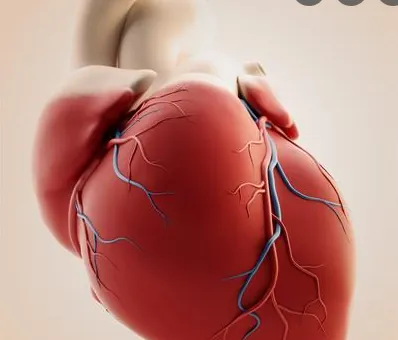
Normally, each heartbeat starts with an electrical signal from a small cluster of cells in the right upper chamber of the heart, the atrium. In atrial fibrillation, the electrical activity in the atria becomes chaotic. The atria quiver instead of contracting properly, and the signals reach the lower chambers irregularly. The result is a heartbeat that is irregular and often fast.
AF can come and go in episodes (paroxysmal AF) or be present all the time (persistent or permanent AF).
Symptoms
- palpitations: a fluttering, racing or pounding heartbeat
- an irregular pulse
- shortness of breath and reduced ability to exercise
- tiredness
- dizziness or feeling faint
- chest discomfort
Some people have no symptoms at all, and the condition is discovered by chance during a check-up or by a smartwatch. If you notice an irregular pulse or palpitations that keep coming back, see a doctor. An ECG, sometimes over 24 hours or longer, can confirm the diagnosis.
Seek emergency care if palpitations come with chest pain, fainting or severe breathlessness, or if you notice signs of a stroke: a drooping face, weakness in an arm or leg, or difficulty speaking.
Why AF increases the risk of stroke
When the atria do not contract properly, blood can pool and form clots, especially in a small pouch of the left atrium. If a clot breaks loose, it can travel to the brain and cause a stroke. People with AF have a several times higher risk of stroke than people without it. The risk depends on age and other conditions such as high blood pressure, diabetes, heart failure and previous stroke, and doctors use scoring systems to decide who needs treatment.
Risk factors
Age is the biggest risk factor. Others include high blood pressure, heart valve disease (see symptoms of heart valve disease), heart failure, overweight, diabetes, sleep apnoea, high alcohol intake and an overactive thyroid. Endurance athletes also have a somewhat higher risk.
Treatment
Treatment usually has three parts:
- Preventing stroke, often with blood-thinning medicines (anticoagulants) for those at increased risk.
- Controlling the heart rate or rhythm, with medicines, an electrical cardioversion to restore normal rhythm, or a catheter ablation where small areas of tissue causing the abnormal signals are treated.
- Treating the underlying factors: lowering blood pressure, losing weight if needed, treating sleep apnoea, cutting down on alcohol and staying active.
Many people with AF live full, active lives once the condition is under control.
This article is general information and not medical advice. If you have symptoms or questions about your own health, talk to a doctor. In an emergency, call your local emergency number.