High blood pressure: why the silent risk factor matters
High blood pressure rarely causes symptoms, yet it is one of the biggest risk factors for heart attack and stroke. Here is what the numbers mean and what helps.
High blood pressure, or hypertension, is one of the most common health problems in the world and one of the biggest risk factors for heart attack, stroke, heart failure and kidney disease. It is often called a silent risk factor because most people with high blood pressure feel completely well. The only way to know is to measure it.
What the numbers mean
Blood pressure is written as two numbers in millimetres of mercury (mmHg), for example 125/80.
- The first number (systolic pressure) is the pressure in the arteries when the heart beats.
- The second number (diastolic pressure) is the pressure when the heart rests between beats.
A blood pressure below about 120/80 is generally considered healthy. In European guidelines, high blood pressure is usually diagnosed when the pressure measured at a clinic is 140/90 or higher on repeated occasions; American guidelines use a lower limit of 130/80. Your doctor will look at your numbers together with your other risk factors.
Why it matters
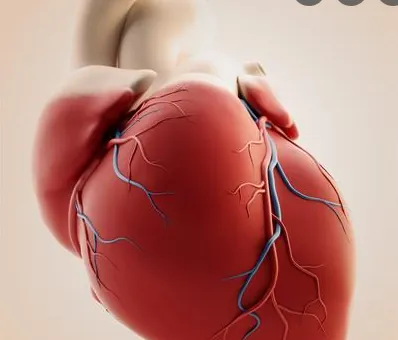
When the pressure in the arteries is high for years, it damages the inner lining of the blood vessels and makes them stiffer. That speeds up the build-up of plaque, a process in which inflammation plays a central role, as described in the research background. The heart also has to work harder, and over time the heart muscle can thicken and weaken.
Who is at risk?
Blood pressure tends to rise with age. Other risk factors include family history, being overweight, eating a lot of salt, drinking too much alcohol, physical inactivity, long-term stress, smoking and conditions such as diabetes, kidney disease and sleep apnoea.
Measuring at home
Home blood pressure monitors are widely available and can give a more accurate picture than a single reading at the doctor's. A few tips:
- sit quietly for five minutes before you measure, with your back supported and feet on the floor
- rest your arm at heart level and use a cuff of the right size
- measure at the same times each day, for example morning and evening, over several days
- write down the results and bring them to your doctor
What helps
Lifestyle changes can lower blood pressure noticeably and are the first step for everyone:
- Eat less salt. Much of the salt we eat is hidden in bread, ready meals, cheese and processed meat.
- Move more. Regular aerobic exercise such as brisk walking or cycling lowers blood pressure.
- Keep a healthy weight and eat plenty of vegetables, fruit and whole grains, as in the anti-inflammatory diet.
- Limit alcohol and stop smoking.
- Manage stress and sleep well; read more about stress and heart health.
If lifestyle changes are not enough, there are several effective and well-tested blood pressure medicines. Many people need more than one. Keep taking them as prescribed, even when you feel well, and talk to your doctor if you have side effects.
A very high reading together with symptoms such as chest pain, severe headache, confusion or problems with vision or speech is an emergency.
This article is general information and not medical advice. If you have symptoms or questions about your own health, talk to a doctor. In an emergency, call your local emergency number.