Cholesterol explained: LDL, HDL and what your numbers mean
LDL, HDL, triglycerides: a cholesterol test gives you several numbers. Here is what they mean for your heart and what you can do to improve them.
Cholesterol is a fatty substance that the body needs to build cells and make hormones. Most of it is made in the liver; the rest comes from food. Problems arise when there is too much of the wrong kind circulating in the blood, because it can build up in the walls of the arteries and lead to heart attacks and strokes.
The numbers on your test
A standard cholesterol test, sometimes called a lipid profile, usually reports several values. In Europe they are given in millimoles per litre (mmol/L).
- LDL cholesterol is often called "bad" cholesterol. LDL particles carry cholesterol to the tissues and can get trapped in the artery wall. The higher the LDL and the longer it stays high, the greater the risk.
- HDL cholesterol is often called "good" cholesterol, because HDL helps carry cholesterol away from the tissues. A low HDL is linked to higher risk, but raising HDL with medicines has not been shown to prevent heart disease.
- Triglycerides are another type of blood fat. High levels are common in people who are overweight, have diabetes or drink a lot of alcohol.
- Total cholesterol is the sum of the different parts.
There is no single target that fits everyone. A healthy LDL level depends on your overall risk: someone who has already had a heart attack, or who has diabetes, is usually advised to aim much lower than a healthy young person. Your doctor will interpret the numbers together with your age, blood pressure, smoking and family history.
Why LDL matters for the arteries
When LDL gets into the artery wall, it triggers an immune response. Immune cells take up the cholesterol and the area becomes inflamed, slowly forming a plaque. This is why cholesterol and inflammation are two sides of the same process, as explained in the research background.
Inherited high cholesterol
Some people have very high cholesterol because of their genes. The most common form, familial hypercholesterolaemia, affects roughly one in every 250 people and often goes undiagnosed. If close relatives had heart attacks at a young age, or if your LDL is very high, ask your doctor whether you should be tested. Early treatment greatly reduces the risk.
What you can do
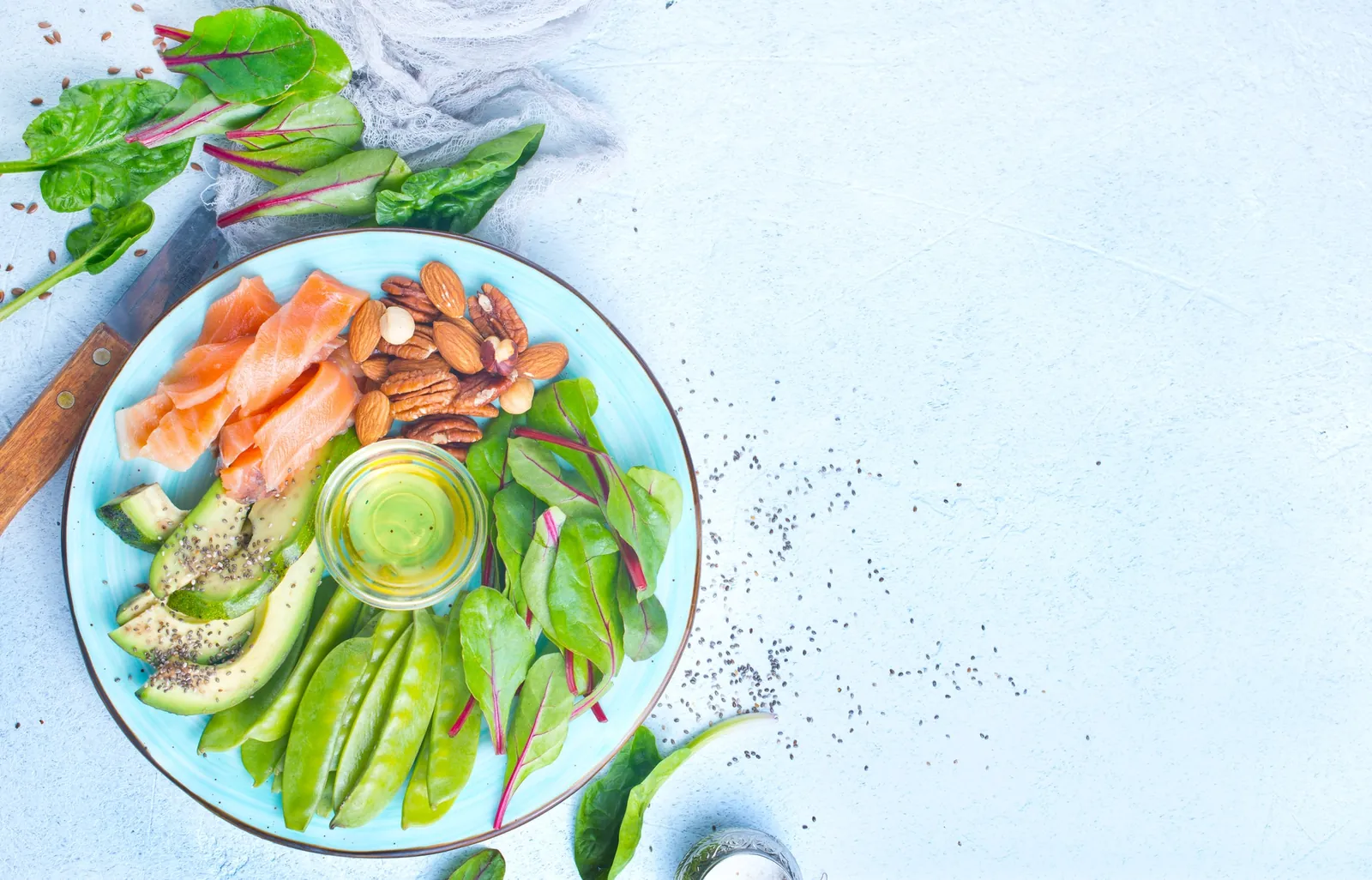
- Replace saturated fat with unsaturated fat: cook with olive or rapeseed oil instead of butter, and eat more fish, nuts and seeds.
- Eat more fibre: oats, barley, beans and lentils contain soluble fibre that helps lower LDL.
- Fill up on vegetables and fruit, as described in anti-inflammatory foods for heart health.
- Move regularly, keep a healthy weight and limit alcohol, which mainly helps triglycerides and HDL.
- Stop smoking, which damages the arteries and lowers HDL.
For many people, lifestyle changes are enough. Others need medication. Statins are the most common and best-studied cholesterol-lowering drugs and reduce the risk of heart attack and stroke. There are also other options for those who cannot take statins or need extra lowering. Never stop a prescribed medicine without talking to your doctor first.
This article is general information and not medical advice. If you have symptoms or questions about your own health, talk to a doctor. In an emergency, call your local emergency number.